
Indo-Pacific Energy Update – July 14, 2023
On July 4, China’s Commerce Ministry enacted export controls of gallium and germanium that will require purchasers to apply for export permits beginning on August 1.
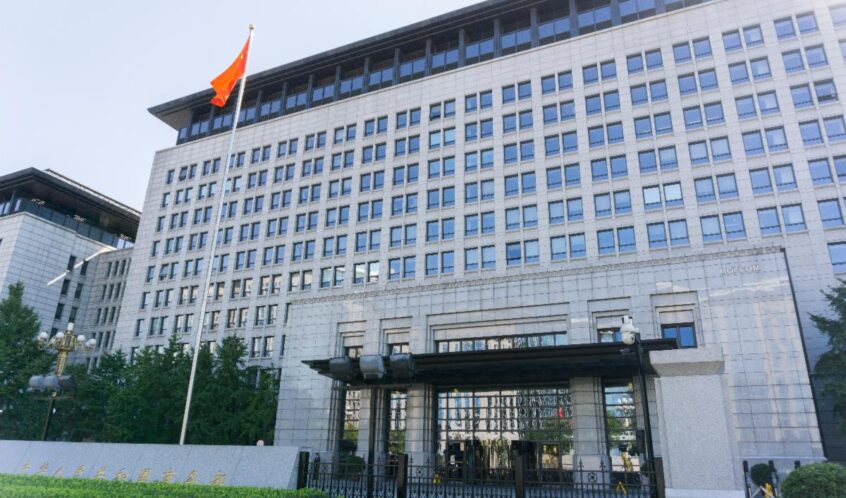
On July 4, China’s Commerce Ministry enacted export controls of gallium and germanium that will require purchasers to apply for export permits beginning on August 1.
In the third Russia Energy Working Paper installment of EIRP’s working paper series on Russia’s global energy role, oil analyst Sergey Vakulenko looks ahead at Russia’s oil sector under enduring Western sanctions.
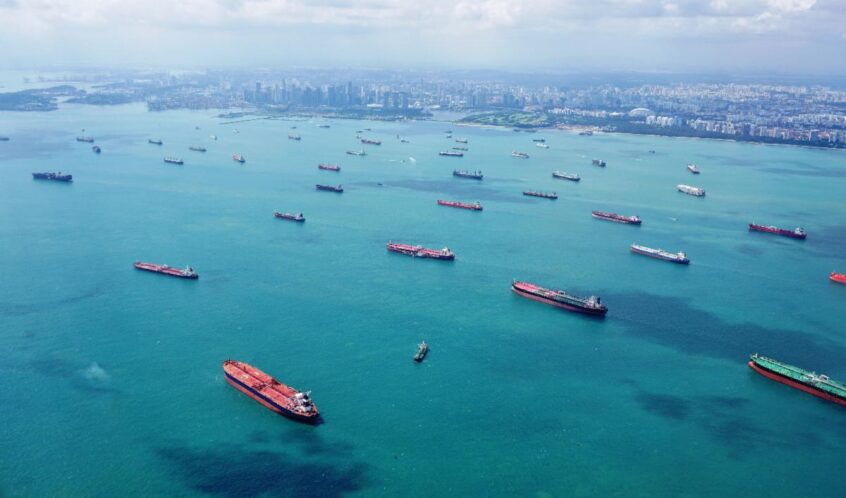
Singapore has detained a record thirty-three docking vessels in 2023 for safety failures, with nine ship detentions in April alone.
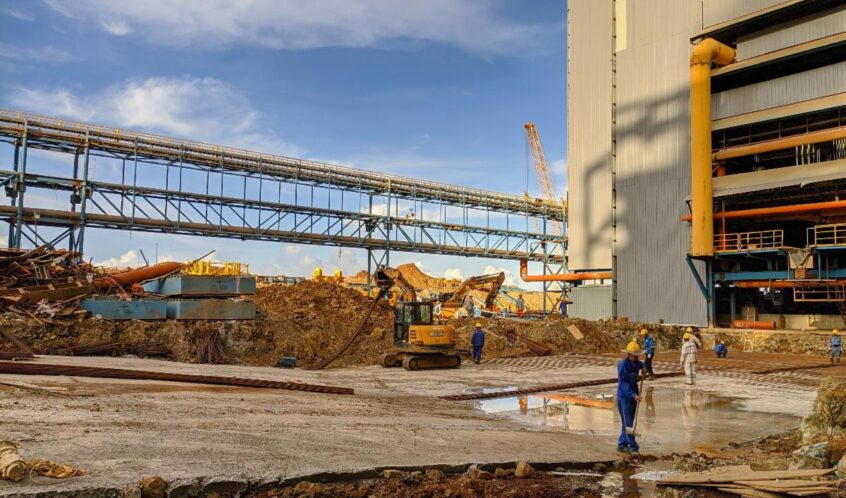
On June 1, Politico reported that Indonesia, Malaysia, and the Philippines are advocating for their firms to qualify for the electric vehicle (EV) tax credit under the U.S. Inflation Reduction Act (IRA).

On June 14th, EIRP President Paul Saunders discussed the intersection of geopolitics, domestic politics, economics, resource availability, and the energy transition at the 21st Century Public Policy Institute, a program of Keidanren, the Japan Business Federation.
In the second installment of EIRP’s working paper series on Russia’s global energy role, Yury Melnikov assesses Russia’s renewable energy potential in the wake of Russia’s invasion of Ukraine.
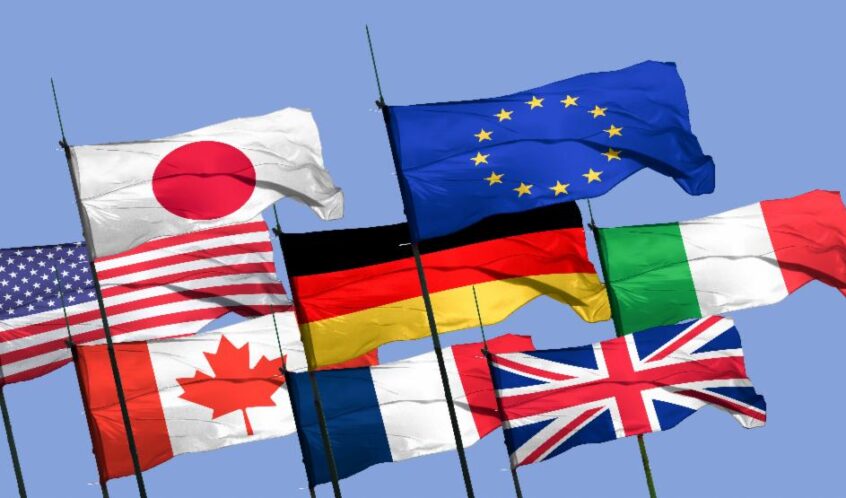
On May 19, the U.S., the G7, and other governments jointly announced new sanctions against 200 Russian entities involved in Russia’s future energy production and its mining sector.
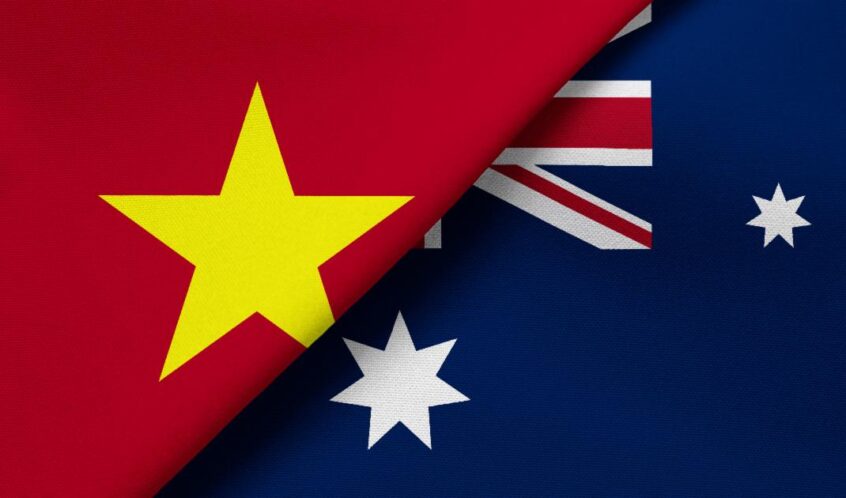
On May 1, Australian mining company Strategic Materials signed an agreement to purchase one hundred tons of rare earth (RE) oxides from Vietnam in the second half of 2023.
In the first installment in a new EIRP working paper series on Russian Energy, Alexandra Prokopenko, a Visiting Fellow at the German Council on Foreign Relations and Non-Resident Scholar at the Carnegie Endowment for International Peace, assesses Russian nuclear energy monopoly Rosatom’s international activity in the wake of Russia’s war in Ukraine and U.S. and allied efforts to apply economic pressure through sanctions.

On April 28, the Russian newspaper Kommersant Daily reported that Ukraine intends to raise transit fees on Russian oil entering its territory via the Druzhba Pipeline.