
Indo-Pacific Energy Update – April 20, 2023
The UN’s International Seabed Authority (ISA) said it will receive deep-sea mining applications for project outside member countries’ Economic Exclusion Zones beginning on July 9.
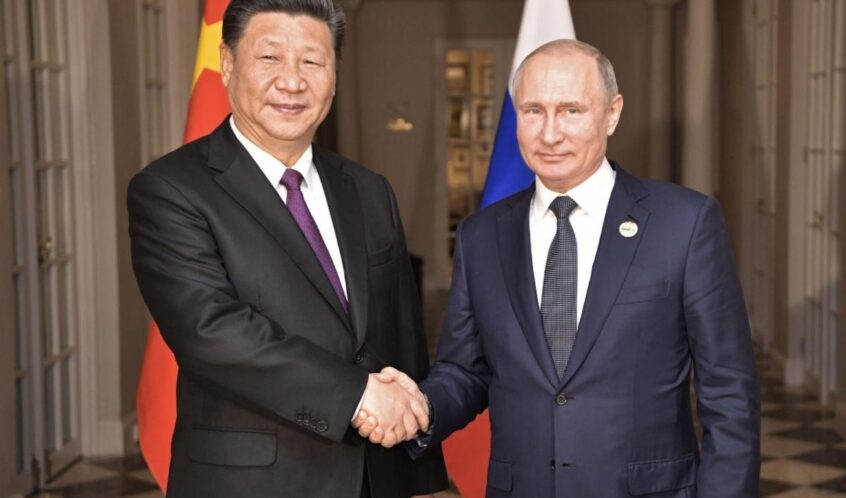
On March 21, during Chinese President Xi Jinping’s visit to Russia, Russian Prime Minister Mikhail Mishustin and Jinping agreed to $165 billion in investment across 79 projects through an intergovernmental commission.
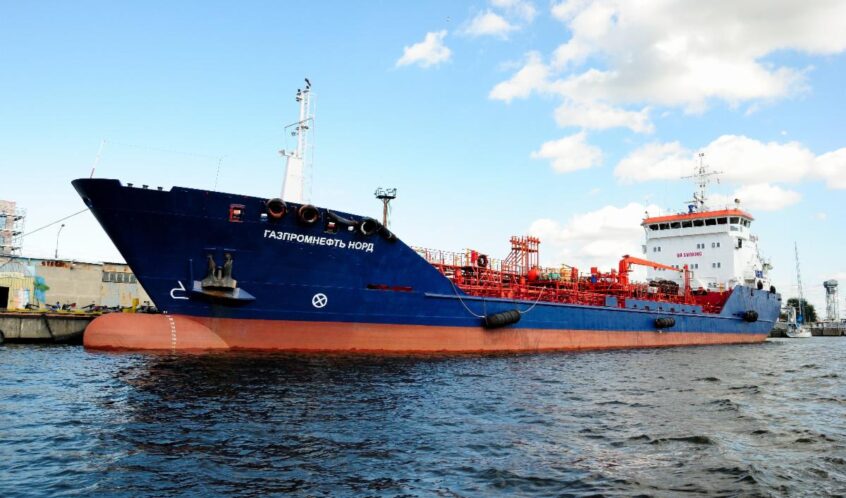
The International Energy Agency reported a 40% year-on-year decrease in Russian oil and gas export revenue in January, with a $11.5 billion decline from January 2022.
On March 7, the Japanese government’s Green Innovation Fund awarded $1.62 billion to a Japanese-Australian business venture to create Japan’s first hydrogen supply chain between Victoria State in Australia and Kawasaki, Japan.
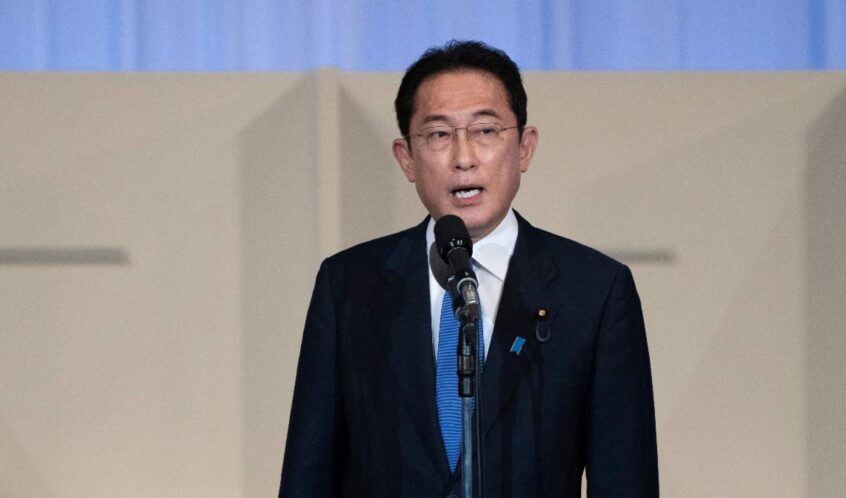
President Joe Biden’s January 13 meeting with Japanese Prime Minister Fumio Kishida in Washington yielded new reaffirmations of the U.S.-Japan alliance and Washington’s commitment to defend its ally as well as a strong American endorsement of Japan’s plans to boost its defense spending.
On January 19, energy analytics firm Vortexa reported that Russia eclipsed Iraq as India’s largest source of crude oil starting in October 2022.
On February 15th, South Korean and Mongolian Industry Ministers signed a memorandum of understanding to encourage cooperation on rare earth supply chains.
On March 2nd, 2023, EIRP President Paul Saunders discussed the energy impacts from Russia’s invasion of Ukraine with Director of Programs and Strategy Brian Chung of the Global American Business Institute.
On October 21, EIRP President Paul Saunders moderated an online panel discussion of U.S. technological competition with China and Russia, the first in a series on Great Power Technological Competition.
Writing for The National Interest, EIRP President Paul Saunders argues that as U.S.-China competition intensifies, Washington should deepen its technology cooperation with South Korea, a key U.S. ally in the Indo-Pacific region.